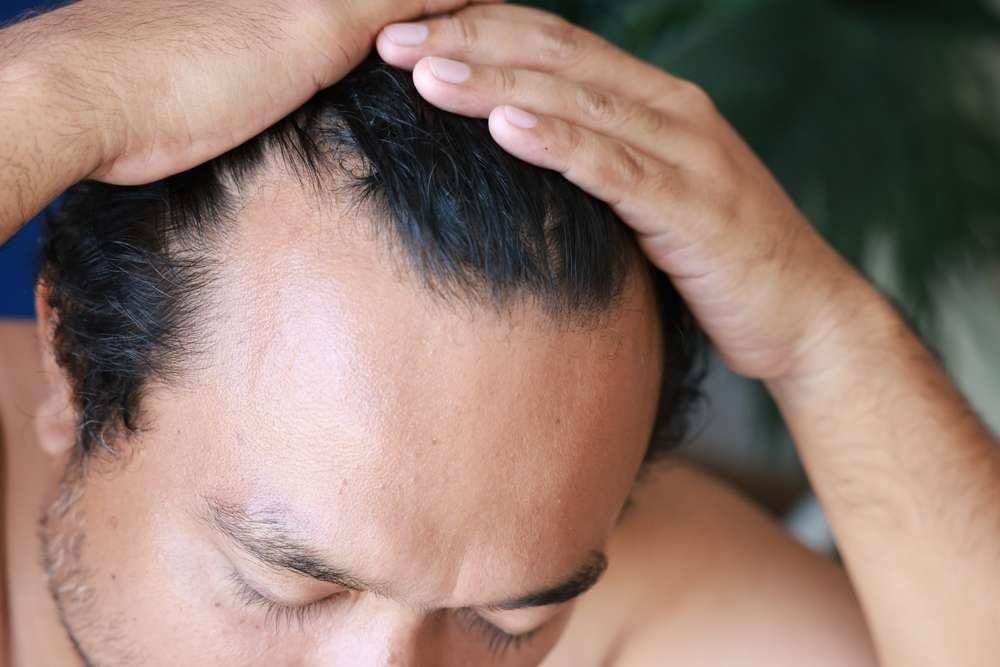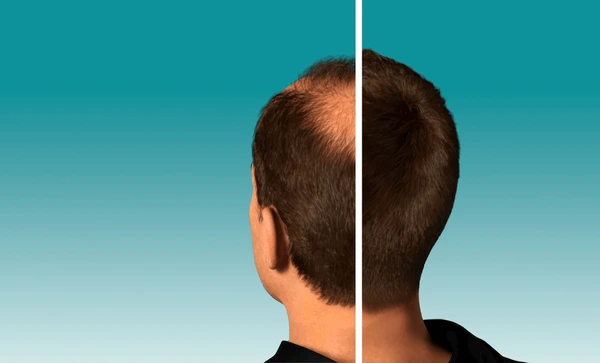





Hair loss changes the way you see yourself in the mirror every single day. A receding hairline alters the entire frame of your face. You might feel much older than your actual chronological age. Many people across the UK seek surgical help to restore their youthful appearance. A medical procedure does much more than just fill in the bare bald spots. It completely redesigns the fundamental shape of your frontal hairline. This massive transformation requires immense artistic skill from your chosen medical team. They must blend rigid medical science and delicate aesthetics perfectly together. You need a natural look that matches your unique facial proportions seamlessly. Reclaiming your hairline means reclaiming your personal identity.
The Artistic Approach to Hair Restoration
Surgeons act as true artists when they draw your new hairline. They meticulously calculate the ideal distance from your eyebrows to the start of your hair. They study the muscles in your forehead closely to find the perfect starting point. You do not want a straight, artificial line across your head. Natural hairlines contain tiny, beautiful irregularities and a very soft, gradual transition. The doctor places single hair grafts at the very front to create this softness. They place thicker groupings further back to build solid, impenetrable volume. This careful placement mimics Mother Nature exactly. The result looks completely authentic to the naked eye.
Understanding the Medical Techniques Available
You must clearly understand the different surgical methods before you begin the process. The FUE vs FUT hair transplant discussion dominates most initial clinic consultations today. Each method offers specific, targeted benefits for your overall aesthetic goals. Follicular Unit Extraction removes individual hair follicles directly from the back of your head. Follicular Unit Transplantation removes a thin strip of skin instead to harvest the grafts. Both techniques provide the necessary donor hair to build your new hairline successfully. The specific extraction method impacts your recovery time and the type of skin marks left behind. Knowing these differences empowers you to make a smart medical decision.
Making the Right Method Choice
Your specific personal needs dictate the absolute best path forward. Doctors often suggest one method over the other based heavily on your donor area density. The FUE vs FUT hair transplant choice heavily influences how the surgeon harvests the necessary grafts. However, both distinct methods allow the doctor to create a stunning, natural frontal hairline. The true artistry lies in the precise implantation phase rather than the extraction phase. You must discuss your future styling preferences openly with your medical doctor. If you want a tight skin fade on the sides, individual extraction works best. If you wear your hair longer, the strip method might provide excellent density.
Designing the Perfect Frontal Shape
Your facial structure plays a massive role in the final design of your hairline. A rounded face naturally suits a slightly different hairline shape than a sharp, angular face. The medical team uses specific mathematical rules to map out the exact recipient zone. They invite you to look deeply into the mirror and share your honest thoughts. You collaborate closely together to find a shape that makes you feel incredibly confident. The doctor uses a soft surgical pen to draw the agreed boundary on your skin. This distinct line marks the exact area where the new permanent growth will soon begin. You hold the final approval power over this crucial artistic design.
Factoring in Age and Facial Structure
A successful hairline must look entirely appropriate for your current age. A low, perfectly straight hairline looks entirely unnatural on a mature, older adult. Surgeons deliberately design a mature hairline that features a very slight, natural recession at the temples. This creates a distinguished and incredibly realistic appearance that suits your face. You want your hair to look authentic today and twenty years from now. Future hair loss remains a strong possibility as you continue to age. The doctor plans the shape to accommodate any future thinning behind the transplanted area. Smart planning prevents you from looking strange as the decades pass.
The Healing Journey and Your Hairline
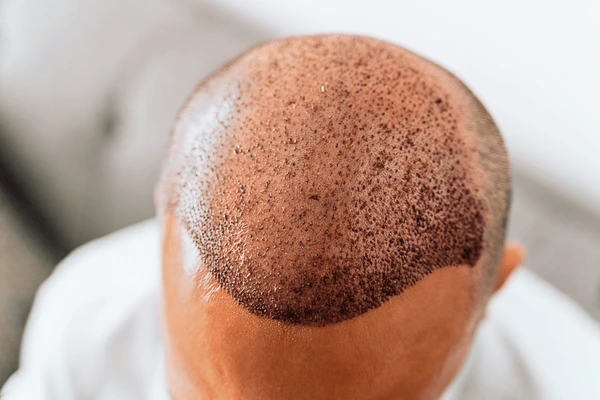
The physical shape of your new hairline becomes visible immediately after the procedure finishes. However, you must wait patiently for the final visual results to blossom fully. The FUE vs FUT hair transplant recovery protocols guide your actions over the next few weeks. You must diligently protect the delicate new grafts from any sudden physical trauma. The frontal forehead area often experiences minor swelling during the first three days. This temporary swelling sometimes distorts the visual look of your brand new hairline. The excess fluid drains quickly, and the true, brilliant shape emerges clearly. You will love the new frame around your face.
Navigating the Recovery Timeline
You will experience a completely normal shedding phase around the third week of recovery. The newly transplanted hairs fall out rapidly, leaving the healthy root safely behind. Your hairline might suddenly look exactly as it did before the surgery took place. You must stay calm and trust the internal biological healing process completely. The necessary resting phase lasts for a few quiet months. Tiny new hairs finally break through the scalp skin around month four. These thin hairs slowly thicken and mature powerfully over the next entire year. The wait requires patience, but the final reward changes your life.
Achieving Natural Density and Flow
Achieving dense growth brings the new hairline shape to spectacular life. The doctor carefully controls the angle and direction of every single implanted hair graft. The new hair must naturally grow forward and lay flat against the scalp. Incorrect angles create a spiky, harsh, and totally unnatural visual appearance. The medical team matches the natural flow of your original hair perfectly. The FUE vs FUT hair transplant debate matters much less here than the actual skill of the surgeon. An expert hand guarantees a hairline that moves naturally in the wind. You want hair that behaves just like the hair you lost years ago.
Protecting Your Long-Term Results
You must actively protect your financial and emotional investment after the procedure finishes. Medical professionals often strongly recommend ongoing treatments to stop any further native hair loss. Medications like Finasteride or Minoxidil protect the original hair directly behind your new hairline. You do not want an empty gap to form between the transplanted hair and your native hair. Good daily scalp hygiene keeps the tiny follicles strong and exceptionally healthy. You ensure the longevity of your new shape by following the medical advice closely. A healthy, active lifestyle supports robust hair growth for many decades to come.
Final Thoughts on Your Restored Confidence
A well-designed, natural hairline completely changes your personal outlook on everyday life. You quickly stop hiding behind hats and start embracing social events confidently. The right custom shape frames your face beautifully and highlights your best facial features. You must research the top medical clinics in the UK to find genuine artists. Discuss your restoration options openly and ask to see past hairline designs. Your new, youthful look awaits you just around the corner. Take the first brave step toward a permanent, natural restoration today. Enjoy the renewed confidence that comes with a perfectly shaped head of hair.