


A hair transplant does not end when you leave the clinic. In many ways, that is when the most important phase begins. Aftercare plays a major role in how well you heal and how natural your final results look.
Most people in the UK focus heavily on the procedure itself. But the days and weeks after surgery are just as important. Good aftercare reduces side effects, protects grafts, and supports healthy growth.
If you are treated at the best FUE clinic UK, you will usually receive clear guidance on how to care for your scalp. Still, understanding the process yourself helps you stay confident during recovery.
Why Aftercare Matters So Much
After a hair transplant, the scalp is in a sensitive healing phase.
Tiny grafts have been placed into new areas. These grafts need time to settle and connect with the blood supply.
Poor aftercare can slow healing or increase side effects like swelling or irritation.
A structured plan from the best FUE clinic UK is designed to protect these grafts during the critical early days.
Good care improves both comfort and final results.
The First 24 to 48 Hours
The first two days are the most delicate.
The scalp may feel tight or slightly sore. This is normal and temporary.
During this stage, you should avoid touching or scratching the area.
Sleeping with your head elevated helps reduce pressure and swelling.
The best FUE clinic UK usually gives very specific sleeping instructions to protect the grafts.
Even small mistakes during this stage can affect healing, so caution is important.
Managing Swelling the Right Way
Swelling is one of the most common side effects after surgery.
It often appears on the forehead and may move slightly downward.
To reduce it, head elevation is key. Keeping your head raised helps fluid drain naturally.
A best FUE clinic UK will often recommend this position for several nights.
Cold compresses may also help, but they should never touch the implanted area directly.
Swelling usually settles within a few days when managed correctly.
How to Handle Itching Safely
Itching is a normal part of healing.
It usually starts a few days after the procedure as the scalp begins to repair itself.
The key is not to scratch.
Scratching can disturb grafts and affect results.
Instead, gentle tapping or prescribed sprays may help relieve discomfort.
A best FUE clinic UK often provides soothing solutions to control itching safely.
Patience is important during this stage, even if it feels slightly uncomfortable.
Washing Your Hair Carefully
Hair washing is one of the most sensitive parts of aftercare.
You cannot wash your hair immediately after surgery.
Most clinics provide a specific timeline for the first wash.
When you begin washing, it must be done gently with light pressure.
Harsh rubbing or strong water flow should be avoided.
The best FUE clinic in the UK usually teaches patients how to wash safely before they leave the clinic.
This step protects grafts while keeping the scalp clean.
Avoiding Physical Activity
Physical strain can increase blood flow to the scalp.
This can worsen swelling or delay healing.
For the first few days, rest is important.
Heavy exercise, gym workouts, and bending should be avoided.
A best FUE clinic UK typically advises a gradual return to activity based on recovery progress.
Light walking is usually fine, but anything intense should wait.
Protecting the Grafts from Damage
The newly implanted grafts are fragile in the early stage.
They can be dislodged if handled roughly.
Avoid wearing tight hats or helmets unless approved by your clinic.
Be careful when getting dressed or sleeping.
A best FUE clinic UK will always emphasise protection during the first week.
Small precautions make a big difference to final results.
Sun Exposure and Scalp Protection
Direct sunlight can irritate the healing scalp.
It is best to avoid strong sun exposure during early recovery.
If you need to go outside, protective coverings may be recommended.
However, anything worn on the head should be loose and non-restrictive.
A best FUE clinic UK will usually give clear guidance on when normal sun exposure can resume.
Protecting the scalp helps reduce redness and discomfort.
Understanding Temporary Shedding
Shedding is a normal part of the process.
Transplanted hairs often fall out before new growth begins.
This can feel worrying, but it is expected.
The follicles remain in place and will regrow over time.
The best FUE clinic in the UK prepares patients for this stage so they are not surprised.
New hair typically starts growing after a few months.
Signs of Healthy Healing
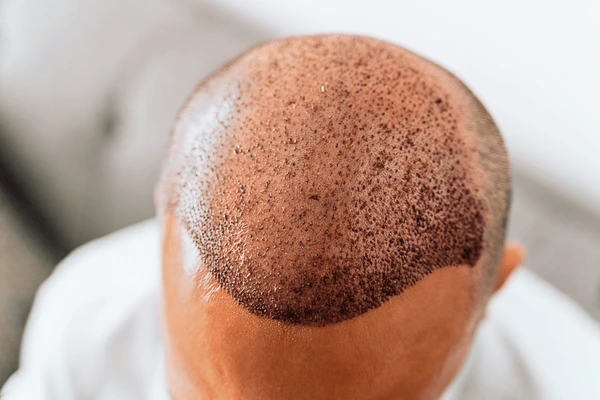
Healthy healing includes mild redness, light scabbing, and gradual reduction in sensitivity.
These signs show that the scalp is repairing itself.
The best FUE clinic in the UK monitors recovery closely during follow-up appointments.
If healing progresses normally, side effects reduce steadily each week.
Full recovery takes time, but progress is usually consistent.
When to Contact Your Clinic
Most side effects are normal and temporary.
However, unusual symptoms should always be checked.
If there is severe pain, excessive swelling, or signs of infection, you should contact your clinic immediately.
The best FUE clinic in the UK will always provide post-surgery support and guidance.
It is better to ask early than wait and worry.
Long-Term Care for Better Results
After the initial healing phase, long-term care becomes important.
A healthy scalp supports stronger and thicker growth.
Maintaining a balanced lifestyle, good nutrition, and gentle hair care all help results improve over time.
The best FUE clinic in the UK often advises ongoing care routines for the best long-term outcome.
Hair continues to mature and thicken for many months after surgery.
Emotional Side of Recovery
Recovery is not only physical. It is also emotional.
Patients sometimes feel anxious during the early healing stages.
Swelling, redness, or shedding can feel discouraging at first.
But this phase is temporary.
The best FUE clinic UK usually reminds patients that visible improvement takes time.
Understanding the process helps reduce stress and build confidence during recovery.
Final Thoughts
Aftercare is one of the most important parts of a successful hair transplant. It directly affects healing, comfort, and final results.
If you follow guidance carefully, side effects can be kept to a minimum and recovery becomes smoother.
Choosing a best FUE clinic UK ensures you receive structured support throughout the entire process.
From swelling control to washing instructions, every step matters.
With proper care and patience, the scalp heals well and new hair begins to grow naturally over time, leading to lasting and natural-looking results.