


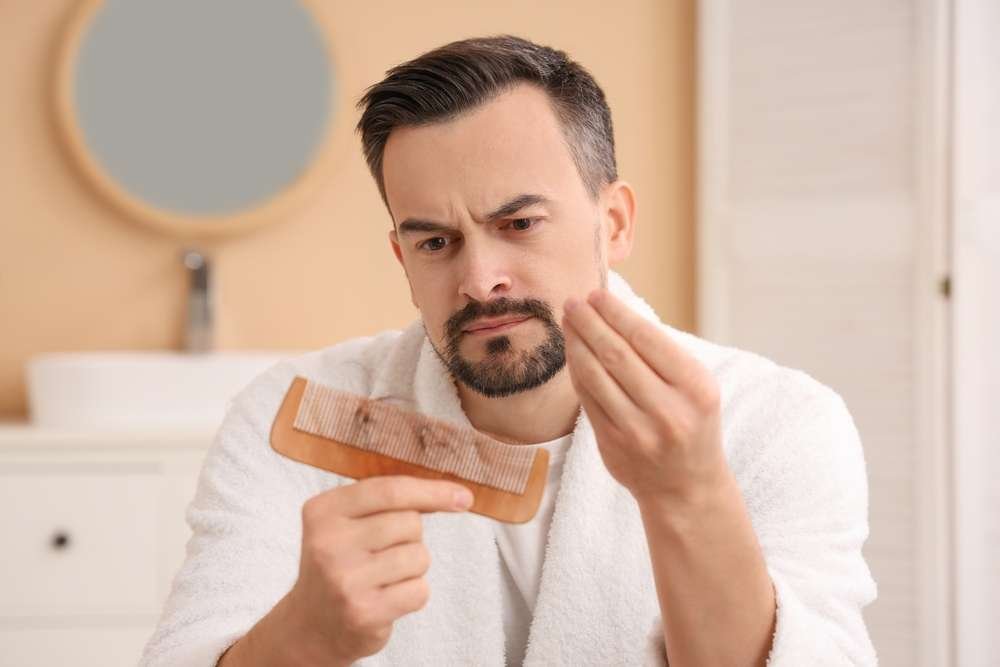
Every single man looks into the bathroom mirror at some point in his twenties. You pull back your hair and inspect your forehead under the bright light. You notice subtle movement around your temples. Your front profile looks slightly higher than it used to look. Anxiety immediately grips your mind as you stare at the change. You wonder if you are developing a bad hairline. You worry that a severe receding hairline will slowly steal your youth. However, every change to your frontal profile does not signal total baldness. Many young men simply experience a natural maturing process. A maturing hairline represents a completely normal part of growing up into adulthood. On the other hand, a receding hairline signals actual genetic hair loss. You must learn how to distinguish between these two distinct biological events. Misdiagnosing your scalp condition causes endless unnecessary panic. Understanding the exact difference helps you take action to fix a bad hairline at the right time.
What Is a Maturing Hairline?
A teenage boy usually possesses a very low, completely straight frontal shape. His hair meets his upper forehead muscles without any visible recession. However, male hormones naturally alter this juvenile shape as you age. Your body transforms during late adolescence and early adulthood. Your facial bones expand, and your natural hairline shifts backward slightly. This natural movement creates a maturing hairline. This subtle evolution happens to almost ninety percent of adult men. A maturing hairline usually moves back about one centimetre above your top forehead wrinkle. It creates a soft, very slightly curved shape across your temples. Crucially, a maturing hairline stops moving once it reaches its natural adult position. It does not continue creeping backward across your scalp year after year. It leaves you with a strong, natural frame for your face.
The Subtle Biological Shift
A maturing hairline reflects normal physical development rather than aggressive follicular decay. The hair follicles at your temples simply adjust to adult hormone levels. They do not shrink or die during this natural shift. The individual hairs remain thick, healthy, and completely full. You will not see tiny, miniature hairs struggling to grow along the front edge. Your hair density remains uniform across your entire head. A maturing hairline never creates a deeply carved, highly visible bad hairline. It simply signals that you have transitioned from boyhood into full manhood. You can style your hair with total confidence without worrying about future baldness.
Identifying a True Receding Hairline
A receding hairline follows an entirely different biological pathway. This condition stems from a progressive genetic sensitivity to dihydrotestosterone. Doctors refer to this powerful hormone as DHT for short. DHT actively attacks sensitive hair follicles around your temples. It forces those specific follicles to produce thinner and weaker hairs during every growth cycle. Eventually, these dying follicles stop producing hair altogether. A receding hairline does not stop after moving back one centimetre. It continues to retreat relentlessly toward the back of your head. This ongoing destruction gradually turns your original shape into a bad hairline. You watch your forehead grow larger every single year.
Spotting the M-Shaped Progression
A true receding hairline produces distinct visual patterns that you can easily spot. It usually attacks the deep corners of your temples first. This targeted destruction creates a sharp M-shape across your forehead. The corners recede much faster than the central island of hair. You will notice significant thinning along the outer borders of your front profile. This uneven miniaturization eventually leaves you with a bad hairline. The hair along the retreating edge looks fine, wispy, and noticeably lighter. You struggle to style your front profile because the weakened hair lacks structural strength. This progressive thinning confirms that you suffer from a genuine receding hairline.
Simple Tests You Can Perform at Home
You can perform several easy physical checks to evaluate your front profile today. First, raise your eyebrows as high as you can in the mirror. Look at the topmost wrinkle on your forehead. If your hair rests within one centimetre of that top wrinkle, you likely have a maturing hairline. However, if your hair sits much higher than that top wrinkle, you face a receding hairline. The gap between your top wrinkle and your hair highlights the extent of your hair loss. This simple visual measurement provides immediate clarity regarding your current scalp situation.
Examining the Hair Texture
Next, inspect the actual quality of the hair shafts along your front border. Grab a handheld magnifying mirror and look closely at the individual strands. A maturing hairline features thick, strong hairs right up to the very edge. Conversely, a receding hairline displays a mixture of thick hairs and tiny, miniaturized hairs. These weak, translucent hairs indicate that DHT is actively choking your hair roots. If you see numerous tiny hairs fading away, you possess a bad hairline in its early stages. You must track this texture change carefully to monitor future hair loss.
Why You Should Never Ignore a Bad Hairline
Ignoring an active receding hairline allows genetic hair loss to win the battle completely. The longer you wait, the more follicles die permanently. Once a follicle dies, non-surgical products cannot revive it. You must catch a bad hairline during its earliest phases to preserve your natural density. Early intervention stops the destructive DHT hormone from ruining your remaining hair. UK men often delay seeking professional advice out of sheer denial. They pretend their aggressive receding hairline is merely a maturing shape. This tragic mistake costs them thousands of healthy hair follicles over time. You must face the physical reality of your head honestly.
The Danger of Waiting Too Long
Delaying treatment narrows your available restoration options significantly. A minor receding hairline requires very little intervention to stabilize or repair. However, an advanced bad hairline demands extensive surgical work to rebuild your frontal frame. You might need thousands of hair grafts to cover a massive bald area. That extensive surgery increases your financial costs and recovery time dramatically. Taking swift action protects your safe donor hair at the back of your head. You preserve your future options when you address a bad hairline immediately.
Modern UK Solutions for a Bad Hairline
You do not have to accept a bad hairline as your permanent fate. Excellent, scientifically proven solutions exist within the UK right now. Regulated pharmacies offer effective daily treatments that actively protect your front profile. These proven formulations block harmful DHT production and stimulate strong local blood flow. They freeze a receding hairline in its current position and preserve your existing coverage. You can successfully hold onto your hair for decades with consistent daily care.
Taking Control of Your Future
If your receding hairline has already created deep, empty corners, surgical restoration offers a permanent fix. Elite British clinics perform delicate hair transplants to rebuild your front profile naturally. Experienced surgeons relocate strong, healthy follicles directly into your bad hairline. These transplanted hairs remain immune to future hormonal attacks forever. They grow naturally, allowing you to style your hair however you like. You can permanently erase a bad hairline and regain your absolute self-assurance. Consult a qualified UK specialist today to diagnose your front profile and reclaim your confidence.