


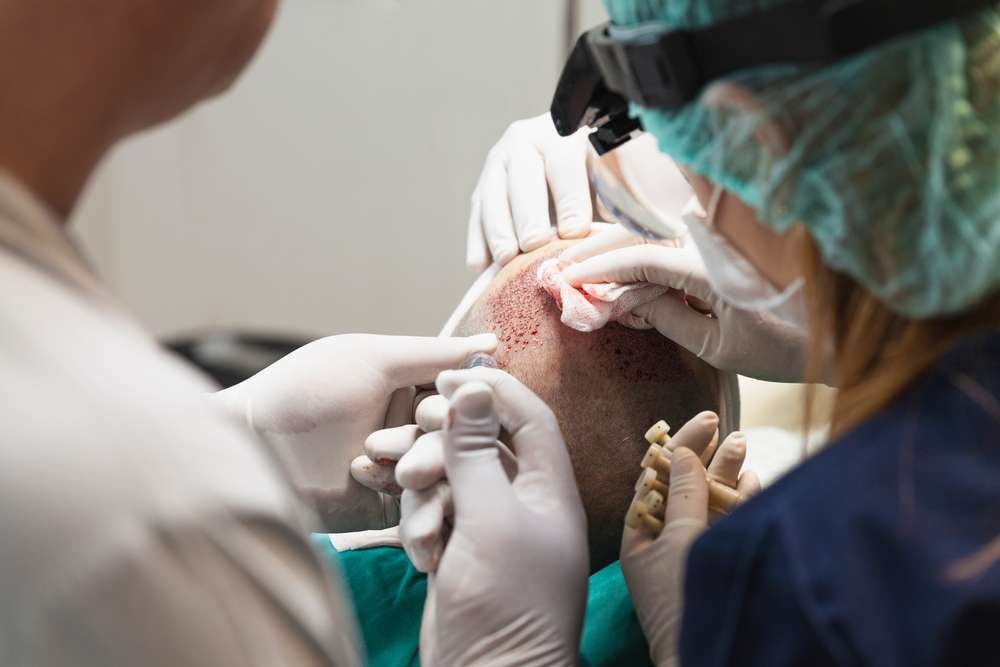
Experiencing some discomfort after a hair transplant is a common concern for patients. Whether you are considering a hair transplant London clinic or exploring hair transplant UK options, understanding what to expect regarding pain and discomfort can help you feel more at ease. Knowing the timeline and management strategies ensures a smoother recovery and a more confident post-surgery experience.
Understanding Post-Procedure Pain
After a hair transplant, it is normal to feel mild soreness in the donor and recipient areas. This occurs because the scalp has undergone tiny incisions and follicle implantation, which triggers a natural healing response.
Hair transplant London specialists explain that the intensity of pain varies depending on the technique used, the number of grafts, and individual pain tolerance. Across hair transplant UK clinics, most patients report that discomfort is manageable and short-lived.
Pain in the First 24–48 Hours
The first day or two after surgery typically involve the most noticeable discomfort. Patients may experience tenderness, a tight sensation, or mild throbbing in the treated areas.
Hair transplant London clinics often advise using over-the-counter painkillers or prescribed medication to stay comfortable. Across hair transplant UK providers, patients who follow post-operative instructions find that pain significantly decreases within the first 48 hours.
Mild Discomfort During the First Week
After the initial 48 hours, most patients experience only mild soreness or itching. Small scabs may form around the transplanted follicles, which can contribute to discomfort.
Hair transplant London specialists recommend gentle washing techniques and avoiding scratching to reduce irritation. Across hair transplant UK clinics, this approach helps the scalp heal faster while keeping discomfort at a minimum.
Factors That Influence Pain Duration
Several factors can affect how long pain lasts after a hair transplant:
Technique Used
FUE generally results in less post-operative pain due to tiny puncture incisions, while FUT may cause more soreness because of the strip removal from the donor area. Hair transplant London patients are informed about the expected differences in discomfort between techniques.
Number of Grafts
The more grafts transplanted, the larger the treated area, which can slightly extend the duration of soreness. Hair transplant UK specialists assess the patient’s goals and recommend the optimal number of grafts to balance results and recovery comfort.
Individual Pain Tolerance
Everyone experiences pain differently. Some patients feel only mild tenderness, while others may notice more persistent soreness. Hair transplant London clinics emphasise personalised care to manage pain effectively based on each patient’s needs.
Pain Management Strategies
Managing discomfort is crucial for a comfortable recovery. Common strategies include:
Medication
Painkillers or anti-inflammatory drugs, prescribed or recommended by the clinic, can control soreness. Hair transplant London patients are advised to take medications as instructed for optimal relief.
Proper Sleep and Head Position
Sleeping with your head elevated helps reduce swelling and pressure on the treated areas. Hair transplant UK clinics often recommend using extra pillows or a reclined position for the first few nights.
Avoiding Physical Strain
Strenuous activity can increase swelling and discomfort. Hair transplant London specialists suggest light activity like walking and avoiding heavy lifting during the first week.
Gentle Scalp Care
Using mild shampoos and following cleaning instructions prevents irritation. Hair transplant UK patients who follow these steps often experience less pain and faster healing.
When Pain May Persist Longer
In rare cases, pain may continue beyond a week. This could indicate scalp sensitivity, infection, or improper care. Hair transplant London and UK specialists emphasise contacting your clinic immediately if you experience persistent or severe pain to ensure proper intervention.
Final Thoughts
Pain after a hair transplant is usually mild, temporary, and manageable. Most patients experience noticeable discomfort only in the first 24–48 hours, with mild tenderness or itching lasting up to a week. Following clinic guidance on medication, scalp care, and activity levels helps minimise pain and supports healing. Whether visiting a hair transplant London clinic or a hair transplant UK provider, understanding the recovery process and managing expectations ensures a more comfortable and successful experience.