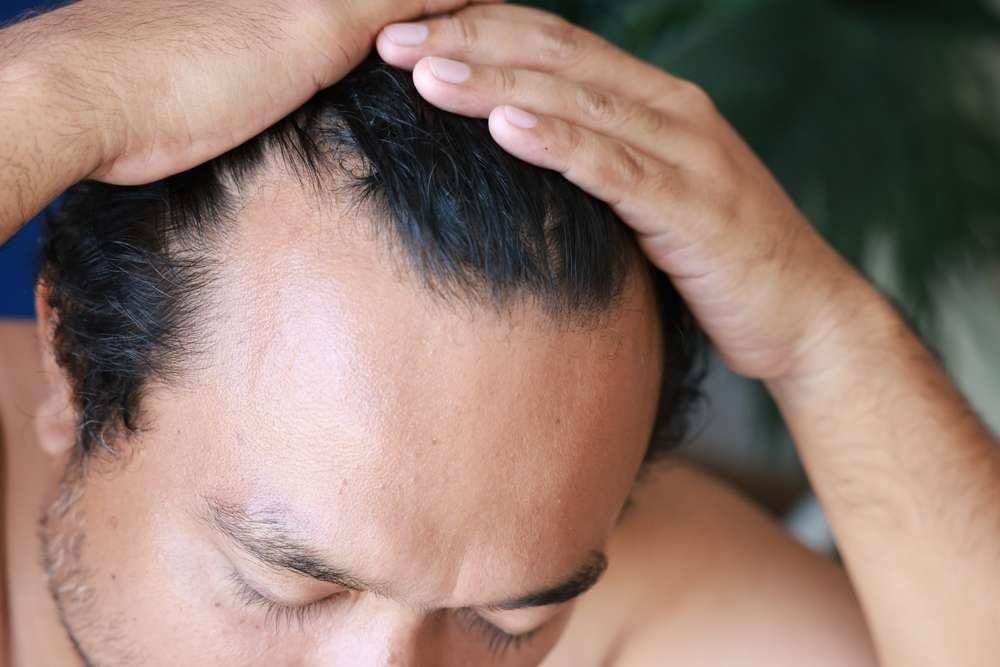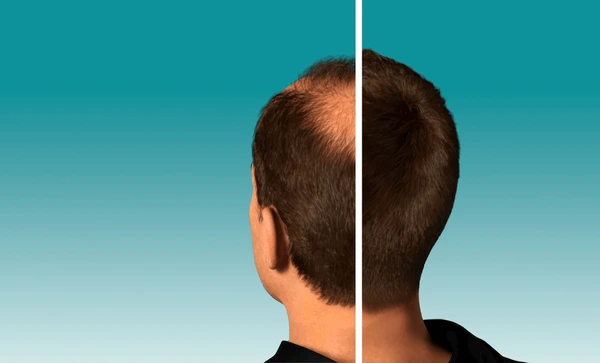




Balding affects millions of people across the UK. It often starts slowly. A receding hairline appears first. Then thinning spreads across the crown. Over time, the change becomes harder to ignore.
For many people, this brings frustration and a drop in confidence. Styling hair becomes difficult. Photos feel uncomfortable. Even simple daily routines can feel different.
This is why many people begin exploring modern hair restoration options. One of the most common questions is simple. Can you still get a transplant if you are already balding?
The short answer is yes, in many cases you can. But the real answer depends on your level of hair loss, donor hair quality, and long-term expectations.
If you are researching hair transplant London clinics, understanding how balding stages affect eligibility can help you make a more informed decision.
Understanding How Balding Progresses
Balding does not happen overnight. It usually follows a gradual pattern.
Most men experience male pattern baldness. It often begins with temple recession or thinning at the crown. Over time, these areas expand and merge.
Women can also experience thinning, although the pattern is usually more diffuse.
Experienced hair transplant London specialists often use the Norwood scale to assess how far hair loss has progressed. This helps determine whether a transplant is suitable.
Early to moderate stages often respond well to treatment. Very advanced hair loss requires more careful planning.
Yes, You Can Get a Hair Transplant While Balding
Many people assume they must wait until hair loss stops completely. This is not always true.
You can often undergo a hair transplant London procedure even while balding is ongoing. However, timing and planning are very important.
The key factor is stability. Surgeons prefer to understand how your hair loss is progressing before designing a permanent hairline.
If balding continues aggressively after surgery, untreated areas may still thin. This can affect long-term appearance.
That is why experienced clinics focus on future planning, not just current hair loss.
Why Donor Hair Quality Matters
The success of a transplant depends heavily on donor hair.
Donor hair is usually taken from the back and sides of the scalp. These follicles are more resistant to genetic hair loss.
A strong donor area allows hair transplant London specialists to create natural and lasting coverage.
If the donor supply is weak, surgeons may recommend a different approach or staged treatment over time.
Good donor management is essential for long-term success, especially in more advanced balding cases.
When Balding Is Too Advanced
In some cases, hair loss may be too extensive for a full restoration.
This does not mean treatment is impossible. It means expectations must be realistic.
If donor hair is limited, surgeons may focus on restoring the hairline and frontal area rather than full scalp coverage.
Experienced hair transplant London clinics always assess whether a natural result can be achieved before recommending surgery.
Overpromising results in advanced baldness can lead to disappointing outcomes.
This is why honest consultation is so important.
Importance of a Stable Hair Loss Pattern
Stability plays a major role in deciding suitability.
If hair loss is still rapidly progressing, surgeons may advise waiting before performing a transplant.
This helps avoid future imbalance between transplanted and natural hair.
Leading hair transplant London specialists often monitor progression before finalising treatment plans.
A stable pattern allows for more predictable and long-lasting results.
This step is often overlooked, but it is one of the most important parts of planning.
Realistic Expectations Are Key
Hair transplantation improves appearance, but it does not restore teenage density.
Understanding this early helps patients feel more satisfied later.
A good hair transplant London clinic will design a natural and age-appropriate hairline rather than an overly low or dense one.
The goal is improvement, not perfection.
Patients who understand this usually feel more confident during recovery and beyond.
Reading hair transplant London reviews can help you see real outcomes from patients at different stages of balding.
These reviews often provide a clearer picture than marketing images.
How Balding Affects Hairline Design
Hairline design becomes more strategic in balding patients.
Instead of simply lowering the hairline, surgeons consider facial balance, age, and future hair loss.
Experienced hair transplant London specialists often design slightly conservative hairlines in advanced cases.
This ensures the result still looks natural even if hair loss continues in untreated areas.
Small design decisions can make a big difference in long-term appearance.
Combining Transplant With Ongoing Hair Loss Management
Many patients continue to lose hair even after surgery.
Because of this, surgeons sometimes recommend combining transplantation with ongoing maintenance plans.
This may include medical treatments or lifestyle improvements to slow future loss.
Trusted hair transplant London clinics often provide long-term planning rather than one-time solutions.
This approach helps protect the investment and maintain natural results for longer.
What Consultation Will Reveal
A consultation is the most important step before surgery.
During this appointment, the surgeon examines your scalp, donor hair, and pattern of balding.
They also discuss your expectations and long-term goals.
Experienced hair transplant London clinics are usually very honest during this stage. If surgery is not suitable, they will explain why.
This transparency helps patients avoid unrealistic expectations.
Many positive hair transplant London reviews highlight honest consultations as a key part of their experience.
Recovery in Balding Patients
Recovery follows the same general pattern regardless of hair loss level.
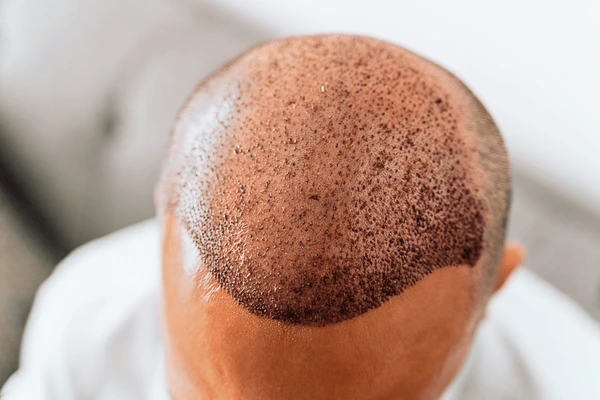
After surgery, small scabs form and later fall away naturally. Temporary shedding also occurs before regrowth begins.
Most patients begin seeing new growth after three to four months.
Full results usually develop within twelve months.
Experienced hair transplant London specialists prepare patients for this timeline so they understand each stage clearly.
Patience is especially important during early shedding phases.
Why Some Patients Wait Before Surgery
Not everyone with balding chooses immediate treatment.
Some patients prefer to wait until hair loss stabilises further.
This approach allows surgeons to create more accurate long-term designs.
Waiting is often recommended for younger patients who may experience continued rapid hair loss.
Trusted hair transplant London clinics focus on timing as much as technique.
Good timing can improve long-term satisfaction significantly.
Choosing the Right Clinic Matters
The success of treatment depends heavily on clinic quality.
Patients should research carefully before making decisions.
Reading detailed hair transplant London reviews helps identify clinics known for natural results and honest advice.
Look for consistency in patient experiences, not just isolated success stories.
Before-and-after photos should look natural, not overly edited or artificial.
A reputable clinic will prioritise safety, planning, and realistic outcomes.
Final Thoughts
Yes, you can get a hair transplant even if you are balding. However, suitability depends on donor hair strength, hair loss stage, and long-term planning.
If you are exploring hair transplant London options, focus on consultation quality, surgeon experience, and realistic expectations rather than quick promises.
Reading genuine hair transplant London reviews can help you understand real patient journeys and set proper expectations.
When planned correctly, a hair transplant can restore a more balanced appearance and significantly improve confidence, even in cases of ongoing balding.